


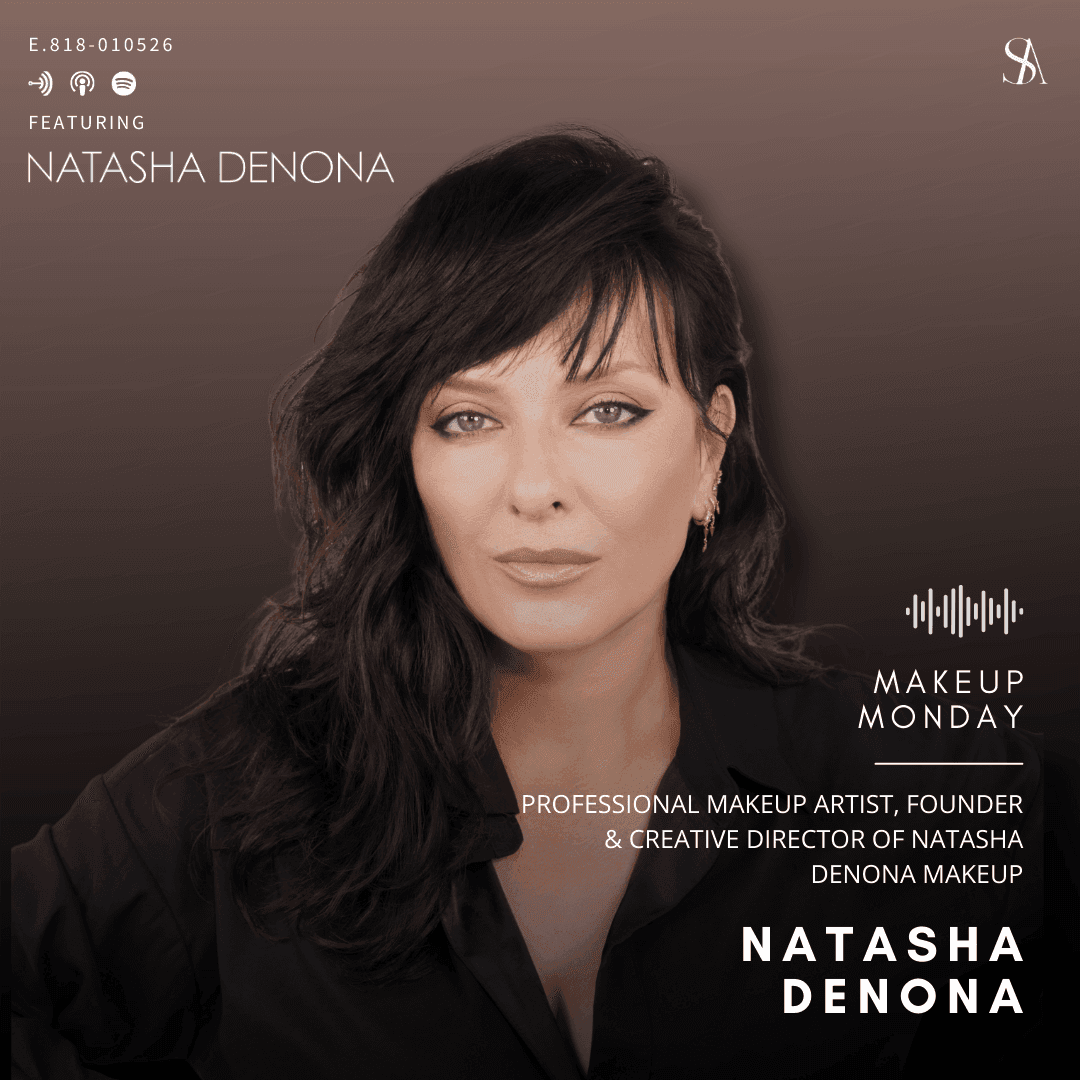
In this episode of Skin Anarchy, Dr. Ekta sits down with Natasha Denona for a deeply personal and reflective conversation that traces the origins of one of the most influential brands in modern makeup. Long admired by artists and consumers alike, Natasha joins the podcast to unpack how her creative instincts, scientific exposure, and refusal to chase trends shaped a body of work that has quietly redefined the industry.
Growing Up Between Science and Art
Natasha’s worldview was shaped early by her mother, a chemist working in inorganic chemistry, whose lab became an unexpected classroom. Surrounded by experiments, technical drawings, photography, and darkroom development, Natasha absorbed the language of science long before she imagined working in beauty. While chemistry itself felt abstract and frustrating as a student, the discipline, precision, and curiosity of that environment would later resurface—this time through makeup formulation and product architecture.
Color as Psychology and Craft
Before makeup, there was painting, dance, and theater. Natasha describes discovering color through art and movement, using painting as a form of emotional grounding and self-expression. Her early experience with stage makeup—bold, exaggerated, and intentional—eventually evolved into a nuanced understanding of beauty makeup through modeling and fashion. This duality explains what makes her palettes distinct: they are expressive yet controlled, artistic yet wearable, built to tell a complete story within a single color family.
Designing Products That Teach
One of the defining themes of the episode is education. Natasha doesn’t design products as isolated items, but as tools that guide users toward professional techniques. From iconic eyeshadow palettes to blush, bronze, and contour systems, her launches were built around how makeup artists actually work—layering creams and powders, sculpting dimension, and creating cohesion. Long before “educational beauty” became a trend, Natasha was embedding technique into product design.
Timelessness Over Trends
Rather than chasing seasonal aesthetics, Natasha intentionally works in the gaps—creating products meant to last years, not months. Palettes like Biba and Camel weren’t designed for novelty, but longevity, offering versatility across skin tones, ages, and styles. This approach, she explains, is rooted in respect for the consumer: fewer products that do more, and do it better.
Inclusivity as a Non-Negotiable
Inclusivity, for Natasha, is not a response to market pressure—it is a personal value. She speaks candidly about her inability to tolerate exclusion, whether in shade ranges or product accessibility. That philosophy culminated in her complexion launches, where she pushed for 52 foundation shades despite the financial and logistical strain on an indie brand. The decision was simple to her: do it right first, then figure out the rest.
Letting the Product Be the Star
Unlike many founder-led brands, Natasha never wanted the brand to revolve around her image. Her belief has always been that products should earn loyalty on their own merit—through performance, design, and integrity. While she now embraces her role as the messenger of the brand’s vision, the spotlight, she insists, belongs to the work itself.
Listen to the full episode of Skin Anarchy to hear Natasha Denona reflect on creativity, inclusivity, and why true innovation in beauty comes from education, intention, and letting the product speak for itself.