

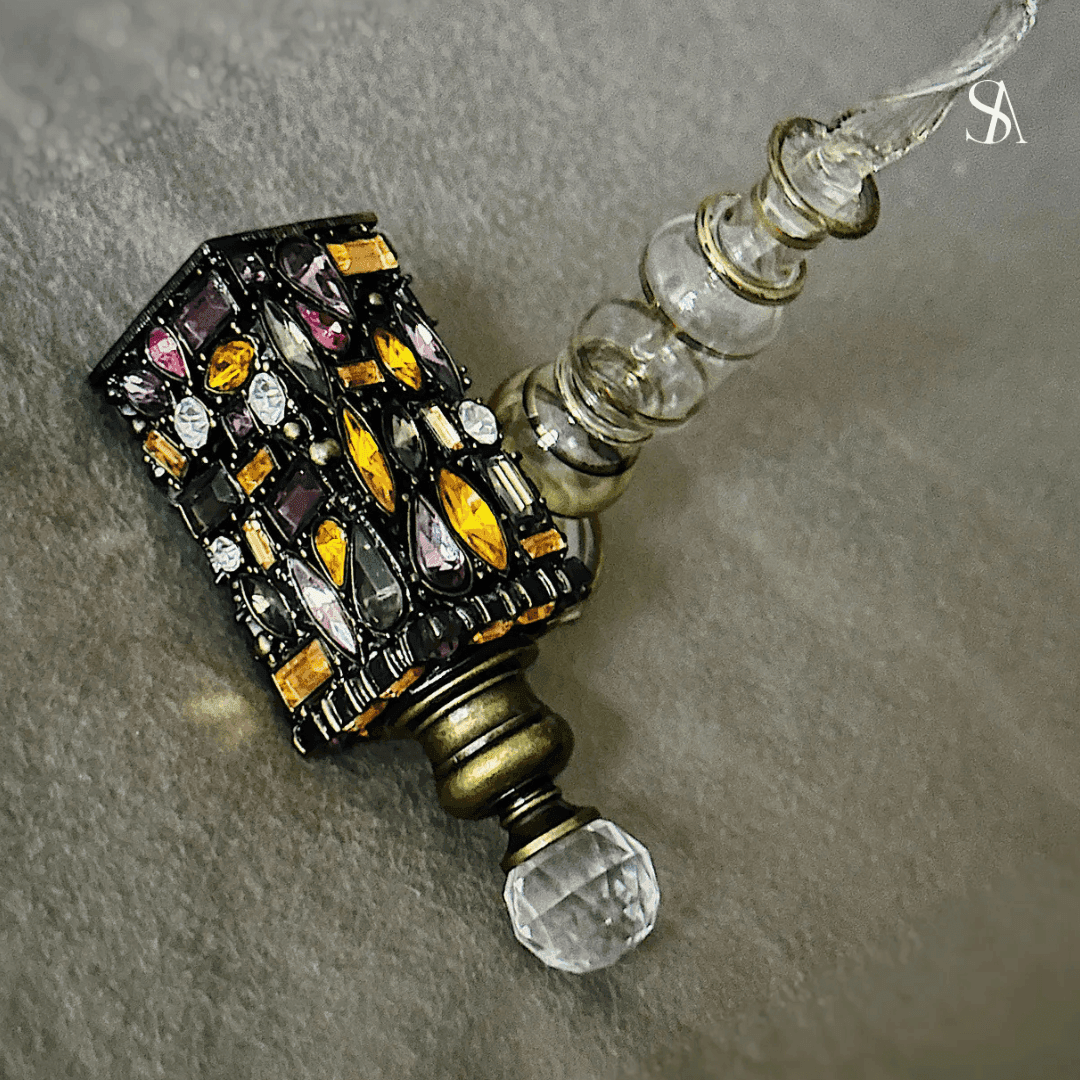
Oils have long played a vital role in perfumery, with their use dating back to ancient Egypt and India. These cultures understood the power of scent and its ability to influence emotions, create atmosphere, and even heal the body. In this article, we will delve into the rich history of oils in perfumery and explore the fascinating use of oil jars in ancient Egyptian and Indian cultures.
Ancient Egypt: Perfumery and Oil Jars
Perfumery in ancient Egypt was an essential aspect of daily life, used in religious rituals, personal grooming, and even medicine. The Egyptians highly valued aromatic substances, and their expertise in perfumery can be traced back as early as 4500 BCE. Fragrances were typically extracted from various sources, such as flowers, fruits, resins, and spices, and then infused with oils.
Oil jars, or alabastrons, were crucial in preserving and transporting these precious oils. Made from alabaster, a type of stone, these containers were designed to be small and easily portable. The alabastron’s elongated shape and narrow neck helped to minimize evaporation and protect the oil from external contaminants.
Pharaohs and other high-ranking individuals often had personal perfumers who would create custom fragrances for them. These perfumes were stored in exquisite, ornate oil jars, often decorated with intricate carvings and adorned with precious metals and stones. These jars symbolized wealth and status and were even included in burial sites to accompany the deceased into the afterlife.
Ancient India: Perfumery and Oil Jars
Perfumery in ancient India can be traced back to the Indus Valley Civilization (around 3300 — 1300 BCE). Oils played an essential role in Ayurveda, the traditional Indian system of medicine, which emphasized the importance of balance and harmony in maintaining health and well-being.
Indian perfumers, known as Gandhavans, were experts at extracting fragrant essences from various sources, such as flowers, herbs, and spices. They would then blend these essences with oils to create unique, complex fragrances. Sandalwood, jasmine, and rose were among the most popular scents in ancient India.
Oil jars in ancient India were designed to preserve and protect the fragrances, just like their Egyptian counterparts. They were made from various materials, including stone, clay, and metal, and were often adorned with intricate carvings and designs. The oil jars were typically small and portable, allowing individuals to carry their personal fragrances with them.
The Legacy of Ancient Perfumery
As the art of perfumery evolved throughout the centuries, it continued to incorporate and build upon the knowledge and techniques of ancient cultures. Both the Egyptians and Indians had a profound impact on the development of perfumery, and their influence can be seen in the modern world of fragrance.
The Rediscovery of Ancient Techniques
With the rise of modern chemistry in the 19th century, perfumers began to understand the molecular structures of essential oils and their components. This scientific breakthrough led to the development of synthetic ingredients, allowing for greater creativity and experimentation in fragrance creation. However, the ancient techniques of oil extraction and blending have not been forgotten. Many contemporary perfumers still use traditional methods, such as steam distillation and enfleurage, to create natural, high-quality scents.
The Enduring Influence of Ancient Cultures
The significance of fragrance in ancient Egypt and India has left an indelible mark on the world of perfumery. Many modern fragrances are inspired by the scents and ingredients popular in these ancient cultures, such as jasmine, rose, and sandalwood. Additionally, the concept of fragrance as an integral part of personal grooming, religious rituals, and healing practices can be traced back to these early civilizations.
Contemporary Oil Jars and Packaging
The artistry and craftsmanship seen in ancient Egyptian and Indian oil jars have influenced the design of modern perfume bottles and packaging. Today’s perfume bottles are often ornate and intricate, reflecting the rich history and cultural significance of fragrance. Collectors and enthusiasts alike appreciate the beauty and historical value of these vessels, which serve as a tangible connection to the past.
Preserving the Art of Perfumery
In an increasingly fast-paced world, the ancient traditions of perfumery remind us of the importance of craftsmanship, patience, and appreciation for the natural world. By continuing to study and preserve the history of oils in perfumery and the use of oil jars, we honor the legacy of ancient cultures and ensure that their knowledge is not lost to time. As we embrace the future of fragrance, we must also celebrate and learn from the past, drawing on the rich heritage of ancient Egypt and India to create scents that captivate and inspire.
Conclusion
The use of oils in perfumery and the accompanying oil jars demonstrate the long-standing significance of scent in human history. From ancient Egypt to ancient India, these cultures understood the power of fragrance and its myriad applications. Today, perfumery continues to thrive as an art form, and modern perfumers draw inspiration from the rich traditions of the past. The next time you apply a perfume or essential oil, take a moment to appreciate the history and craftsmanship that has been passed down through the ages.