

An investigation into the chronic use of hypochlorous acid in skincare routines
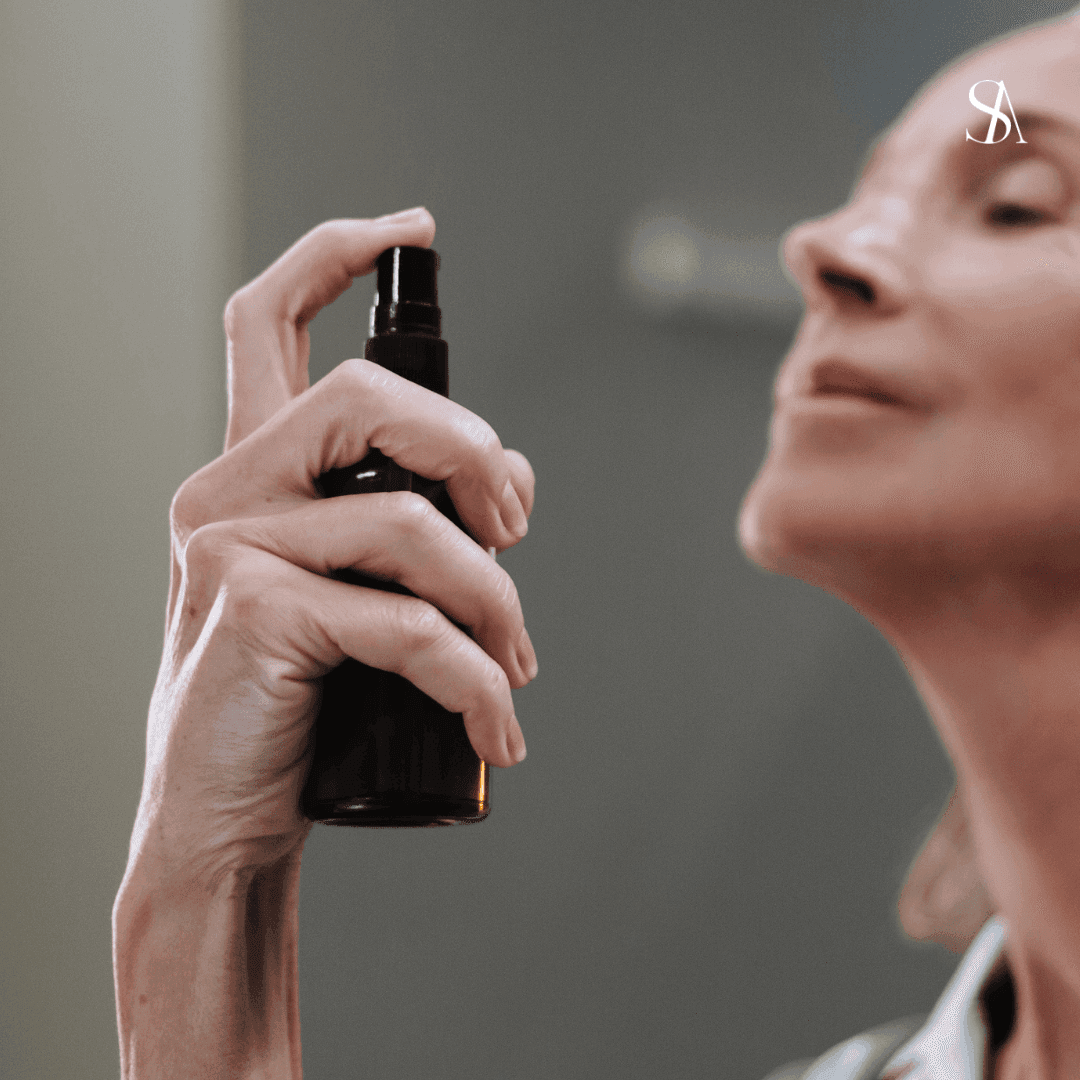
In the gleaming aisles of Sephora and the endless scroll of skincare TikTok, a new prophet has emerged. Hypochlorous acid—HOCl to its devotees—promises the holy grail of skincare: a “gentle, natural” solution that kills bacteria without irritation, heals wounds without scarring, and delivers clear skin without the harsh side effects of traditional acne treatments. The molecule has garnered an almost religious following, with influencers spraying it morning and night, touting it as the ultimate multi-tasker for everything from maskne to rosacea.
But beneath the euphoric testimonials and clinical-sounding marketing lies a more complex reality. While hypochlorous acid undoubtedly possesses legitimate antimicrobial properties—our own immune systems produce it as a frontline defense against pathogens—the leap from medical disinfectant to daily beauty ritual raises questions that the skincare industry would prefer consumers not ask. What happens when we chronically expose our skin to a powerful oxidizing agent? Are we trading short-term clarity for long-term barrier dysfunction? And why are we so eager to embrace a molecule whose primary biological role is cellular destruction?
The Chemistry of Hype
To understand HOCl’s appeal, we must first demystify what it actually is. Hypochlorous acid forms when chlorine dissolves in water, creating a weak acid with a potent antimicrobial punch. In our bodies, neutrophils—a type of white blood cell—manufacture HOCl during inflammatory responses, deploying it like a microscopic flamethrower to neutralize invading bacteria and damaged tissue. It’s a scorched-earth approach that works precisely because it’s indiscriminate in its destructive capacity.
Commercial HOCl products attempt to harness this biological warfare for cosmetic purposes. Some companies stabilize the molecule through proprietary formulations, while others generate fresh solutions using electrolyzed water systems. The resulting sprays and serums are marketed with the kind of scientific gravitas typically reserved for pharmaceutical interventions, complete with pH specifications and parts-per-million concentrations that lend an air of medical legitimacy to what are, legally speaking, cosmetic products.
This regulatory ambiguity is not incidental—it’s central to HOCl’s market positioning. By straddling the line between medicine and cosmetics, these products can make health-adjacent claims while avoiding the rigorous safety testing required for therapeutic drugs. The result is a skincare category that benefits from medical credibility without medical oversight.
When Natural Becomes Negligent
Perhaps no marketing claim surrounding HOCl is more misleading than its characterization as “natural” and “gentle.” Yes, our bodies produce hypochlorous acid—but context matters. When neutrophils release HOCl, it’s part of an acute inflammatory response designed to clear infection and trigger tissue repair. The molecule is meant to destroy compromised cells and pathogens before being rapidly neutralized by antioxidant systems. It is not meant to be a daily bath for healthy skin.
The oxidative potential that makes HOCl effective against bacteria is the same mechanism that can damage healthy tissue. This is not a bug in the system—it’s a feature. The molecule works by disrupting cellular membranes and oxidizing proteins, a process that is inherently destructive. When we spray this onto intact skin twice daily, we’re essentially subjecting our largest organ to chronic, low-level chemical warfare.
The skincare industry has become remarkably adept at reframing potentially harmful mechanisms as beneficial. Oxidative stress becomes “cellular renewal.” Barrier disruption becomes “deep cleansing.” But the fundamental chemistry remains unchanged: we are applying a potent oxidizing agent to healthy tissue and expecting only positive outcomes.
The Barrier Betrayal
Human skin exists as a sophisticated ecosystem, with the stratum corneum serving as both fortress wall and customs checkpoint. This outermost layer, composed of dead skin cells bound together by lipids, regulates what enters and exits our bodies. It’s a delicate architecture, maintained by a careful balance of ceramides, fatty acids, and cholesterol that can be disrupted by excessive oxidative stress.
Emerging research suggests that chronic exposure to oxidizing agents can compromise this barrier function. While comprehensive long-term studies on topical HOCl remain frustratingly absent, the mechanistic plausibility is clear. Hypochlorous acid’s antimicrobial action relies on lipid peroxidation and protein oxidation—the same processes that maintain barrier integrity. Early clinical observations have noted increased transepidermal water loss in some patients using daily HOCl products, a hallmark of compromised barrier function.
Dr. Patricia Farris, a dermatologist and clinical researcher, notes that “while short-term antimicrobial benefits may be apparent, we lack data on what happens to skin barrier function with months or years of daily oxidative exposure.” The absence of such data is not merely an academic concern—it represents a fundamental gap in our understanding of a product category that millions of consumers use daily.
The irony is profound: in our quest to solve skin problems, we may be creating the very barrier dysfunction that leads to sensitivity, dryness, and increased susceptibility to environmental irritants. The temporary clarity achieved through microbial reduction could come at the cost of long-term skin health.
Microbiome Mayhem
Perhaps even more concerning than barrier disruption is HOCl’s impact on the skin microbiome. Our skin hosts a complex community of bacteria, fungi, and other microorganisms that play crucial roles in immune function, barrier maintenance, and protection against pathogenic invaders. This ecosystem has evolved over millennia to exist in delicate balance, with beneficial organisms keeping potentially harmful species in check.
Hypochlorous acid’s antimicrobial action is notoriously non-selective. Unlike targeted antibiotics that aim for specific bacterial populations, HOCl functions as a broad-spectrum oxidizer, disrupting cellular membranes regardless of whether the microorganism is friend or foe. Daily application effectively carpet-bombs the skin microbiome, potentially eliminating beneficial bacteria that compete with acne-causing Propionibacterium acnes or inflammatory Staphylococcus epidermidis.
Recent microbiome research has revealed the crucial role of commensals like Staphylococcus epidermidis in maintaining skin pH, producing antimicrobial peptides, and educating our immune systems. These organisms don’t merely coexist on our skin—they actively contribute to its health and resilience. Chronic disruption of these populations through oxidative stress may have cascading effects we’re only beginning to understand.
Some dermatologists have observed that patients using daily HOCl products initially experience improvement, followed by a gradual return or worsening of symptoms—a pattern consistent with microbiome disruption. As beneficial bacteria are depleted, pathogenic species may eventually recolonize, sometimes in greater numbers than before treatment began.
The Sensitization Specter
While HOCl products are marketed as suitable for sensitive skin, a growing number of dermatologists report cases of contact dermatitis and allergic-type reactions in patients using these products long-term. The mechanism is likely multifactorial: direct irritation from oxidative damage, increased penetration of allergens through compromised barriers, and potential sensitization to chlorinated byproducts formed as HOCl degrades.
Dr. Zoe Draelos, a consulting professor of dermatology at Duke University, has observed that “patients who initially tolerate HOCl well sometimes develop sensitivity after months of use.” This delayed reactivity pattern is particularly insidious because it occurs after consumers have already incorporated the product into their routines and may attribute worsening symptoms to other factors.
The chemical instability of HOCl compounds the issue. As the molecule breaks down, it can form various chlorinated compounds, some of which may be more irritating than the parent molecule. The cosmetic formulations used to stabilize HOCl may also contribute to sensitization, particularly with chronic exposure.
Research Gaps and Regulatory Failures
The most damning aspect of the HOCl skincare trend is not what we know about these products, but what we don’t know. The vast majority of clinical research on topical hypochlorous acid focuses on acute wound healing and infection control—applications that involve short-term use on compromised tissue. Virtually no peer-reviewed studies have examined the long-term effects of daily HOCl application to intact skin.
This research gap is not accidental. Cosmetic companies are not required to conduct long-term safety studies for topical products, and there’s little incentive to fund research that might reveal uncomfortable truths about popular products. The regulatory framework treats HOCl skincare products as cosmetics rather than drugs, despite their biological activity and therapeutic claims.
The FDA’s cosmetic regulations, largely unchanged since 1938, were not designed to handle products that blur the line between beauty and medicine. While drugs require extensive safety and efficacy testing, cosmetics need only be “safe for their intended use”—a standard that relies heavily on manufacturer self-assessment and post-market surveillance.
This regulatory blind spot has allowed HOCl products to proliferate without the rigorous testing that would be required if they were classified as topical antiseptics or antimicrobial drugs. Consumers are essentially participating in an uncontrolled experiment, with their skin serving as the test site.
A Path Forward
This critique should not be interpreted as a blanket condemnation of hypochlorous acid. The molecule has legitimate applications in wound care, acute infection management, and specific dermatological conditions where short-term antimicrobial action outweighs potential risks. The problem lies not with the molecule itself, but with its transformation from medical tool to daily cosmetic.
For consumers currently using HOCl products, a harm-reduction approach may be warranted. Consider limiting use to acute flare-ups rather than daily maintenance. Pay attention to signs of barrier compromise: increased dryness, sensitivity to previously tolerated products, or a cycle of improvement followed by worsening. Support barrier function with ceramide-containing moisturizers and gentle, pH-balanced cleansers.
The skincare industry must move beyond the current paradigm of marketing molecules in isolation, divorced from their biological context and long-term effects. We need comprehensive studies examining the chronic use of oxidizing agents on healthy skin, research funding that isn’t tied to commercial interests, and regulatory frameworks that can adequately assess products that function more like drugs than traditional cosmetics.
The Real Cost of Clear Skin
The HOCl phenomenon reflects a broader tendency in modern skincare: the pursuit of quick fixes over long-term skin health. We’ve become so focused on eliminating symptoms—bacteria, inflammation, blemishes—that we’ve lost sight of the underlying systems that maintain skin health. In our war against imperfection, we risk destroying the very mechanisms that keep our skin resilient and balanced.
The most effective skincare routines are often the most boring: gentle cleansing, adequate moisturization, sun protection, and time. These approaches support rather than override our skin’s natural functions, working with biology rather than against it. They may not promise dramatic overnight transformations, but they offer something more valuable: the preservation of long-term skin health.
As consumers, we must resist the allure of miracle molecules and marketing claims that seem too good to be true. Our skin is not a problem to be solved but an ecosystem to be supported. The price of ignoring this truth may be measured not just in dollars spent on products, but in the gradual erosion of our skin’s natural defenses—costs that may only become apparent years after the damage is done.
The hypochlorous acid trend will eventually fade, replaced by the next molecule promising effortless transformation. But the principles remain: skepticism of marketing claims, respect for biological complexity, and the understanding that the most powerful skincare ingredient is often time itself. Our skin deserves better than to be the testing ground for every new chemical solution that promises to solve problems we may not actually have.
This investigation was compiled through review of peer-reviewed dermatological literature, interviews with practicing dermatologists, and analysis of cosmetic industry marketing practices. The authors acknowledge that research on chronic topical HOCl use remains limited, and encourage readers to consult with dermatologists familiar with their individual skin concerns.